Key Takeaways:
- Customer personas turn guesswork into targeted marketing decisions that produce measurable results.
- Free and low-cost tools like Google Forms, Google Analytics, and social insights make research affordable.
- Public data sources such as the U.S. Census Bureau and Statista add credible market context at no cost.
- Pain points reveal customer needs, and needs ultimately drive sales.
- Organizing your findings into one clear report keeps your messaging focused and consistent.
One of the most important steps in building a successful marketing program is identifying your target audience. Without knowing your ideal customers, your marketing efforts can feel like throwing spaghetti at the wall—hoping something sticks. Fortunately, identifying your audience doesn’t have to be expensive or complicated. By creating customer personas, conducting affordable market research, and understanding your customers’ pain points and buying behavior, you can make smarter marketing decisions that lead to better results.
Creating Target Customer Personas: Affordable and Easy
A customer persona is a semi-fictional representation of your ideal customer. It includes demographics, interests, challenges, and buying motivations. Personas help you visualize who you’re marketing to and how to communicate effectively.
To build affordable and effective customer personas, follow these steps:
- Gather Existing Data: Use insights from your CRM, social media analytics, and point-of-sale systems. Utilize customer feedback to identify common traits among your current customers.
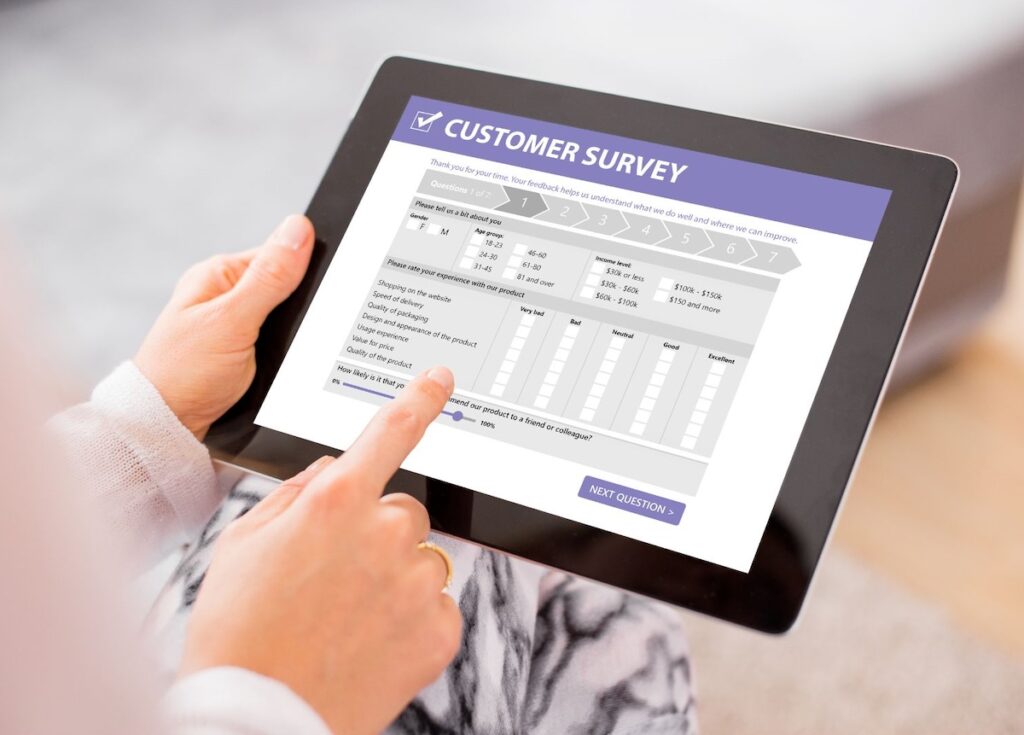
- Survey Your Audience: Use free or low-cost survey tools like Google Forms or SurveyMonkey to gather information on customer preferences, challenges, and demographics.
- Analyze Website Data: Use Google Analytics to see which pages attract the most visitors and which demographics engage with your content.
- Talk to Your Sales Team: Your team likely knows your customers well—get their input on common characteristics and preferences.
Once you have this data, compile it into detailed personas. For example, you might have a persona named “Budget-Conscious Beth,” a 35-year-old mom looking for affordable solutions. The more specific your personas, the better you can tailor your marketing efforts.
Conducting Market Research: Affordable Sources
Market research doesn’t need to break the bank. Here are some cost-effective ways to gather valuable insights:
- Social Media Insights: Platforms like Facebook, Instagram, and LinkedIn offer free analytics that provide demographic data, engagement trends, and audience behavior.
- Competitor Analysis: Use tools like SimilarWeb or social media listening to see what your competitors are doing and how audiences are responding.
- Free Public Data: Access government databases, like the U.S. Census Bureau or Statista, to gain insights into demographics and industry trends.
- Online Communities: Browse forums, social media groups, and sites like Reddit to see how your target audience discusses relevant topics.
- Customer Feedback: Interview or send simple surveys to existing customers to understand their preferences and pain points.

Understanding Customer Pain Points and Buying Behavior
Once you know your customers, dig deeper into their pain points and buying behaviors. Pain points are the problems your customers are trying to solve, while buying behavior involves how and why they make purchasing decisions. Pain points uncover needs, and needs lead to sales.
To understand pain points and behavior, consider these strategies:
- Read Online Reviews: Customer reviews (both yours and competitors’) are a goldmine for identifying common complaints and desires.
- Use Social Listening Tools: Monitor brand mentions and industry keywords to learn what people are saying about your products or similar ones.
- Analyze Buying Patterns: Review past purchase data to spot trends, such as seasonality or bundling preferences.
- Conduct One-on-One Interviews: A simple conversation with a few customers can sometimes reveal invaluable insights.

Putting It All Together
Once you’ve gathered your data, organize it into a clear and comprehensive report. Identify common patterns, key pain points, and decision-making factors. Use this information to refine your marketing strategy and craft messages that resonate with your target audience.
By taking the time to identify your audience through affordable research and well-crafted personas, you’ll create marketing campaigns that truly connect and convert. In the next step, we’ll explore how to develop your Unique Value Proposition (UVP) to stand out from the competition.
You’ve got this! If you’re unsure how to take these steps on your own, contact us!
Frequently Asked Questions
A customer persona is a semi-fictional profile of your ideal customer. It captures demographics, interests, challenges, and buying motivations. Personas help you picture who you are talking to. That clarity makes every marketing message easier to write and easier to target.
Start with data you already own. Review your CRM, point-of-sale records, and social media analytics. Add a short survey using a free tool like Google Forms. Then talk to your sales team about the customers they see most often. None of these steps require paid research.
Social media platform analytics offer free demographic and engagement data. Government databases like the U.S. Census Bureau provide population and income details. Statista supplies industry trends. Online forums and Reddit threads show how buyers discuss your category in their own words.
Pain points are the problems your customers are trying to solve. They uncover real needs, and needs lead to sales. When your marketing clearly names the problem, prospects recognize themselves in your message. That recognition is what moves someone from browsing to buying.
Most small businesses need two to four personas. Fewer than two usually means the audience is defined too broadly. More than four becomes difficult to act on. Build a persona only when that group buys for a distinctly different reason.