Key Takeaways:
- Measurement and analysis of marketing KPIs turns guesswork into data-driven decisions.
- Conversion rate, customer acquisition cost, and engagement matter most for small businesses.
- Google Analytics provides real-time visibility into which channels are actually working.
- A regular reporting rhythm beats one-time audits for long-term growth.
- Data should drive budget shifts, not just confirm what you already believed.
Every marketing dollar you spend should tell you something. Most small business owners run ads, post on social media, and publish blog content without ever checking what worked. That gap is where budgets quietly leak away.
Step 11 of the Total Framework Marketing Blueprint covers how to measure what matters. This guide breaks down the KPIs worth tracking and the tools that make tracking easy. Then it shows how to turn raw numbers into smarter marketing decisions.
Why Small Businesses Can’t Skip Marketing Measurement
Marketing without measurement is just spending with extra steps. You might feel busy posting content and running ads. But feeling busy and getting results are two different things.
Data-driven decision-making separates marketing that grows a business from marketing that just fills a calendar. Small businesses especially need this discipline. Every dollar has to work harder when the budget is tight.
Measurement also protects you from your own assumptions. You might believe Facebook drives your best leads. The data might show your website’s contact form actually converts more customers.
The Key Performance Indicators Worth Tracking
Not every metric deserves your attention. Vanity metrics like follower counts feel good but rarely predict revenue.
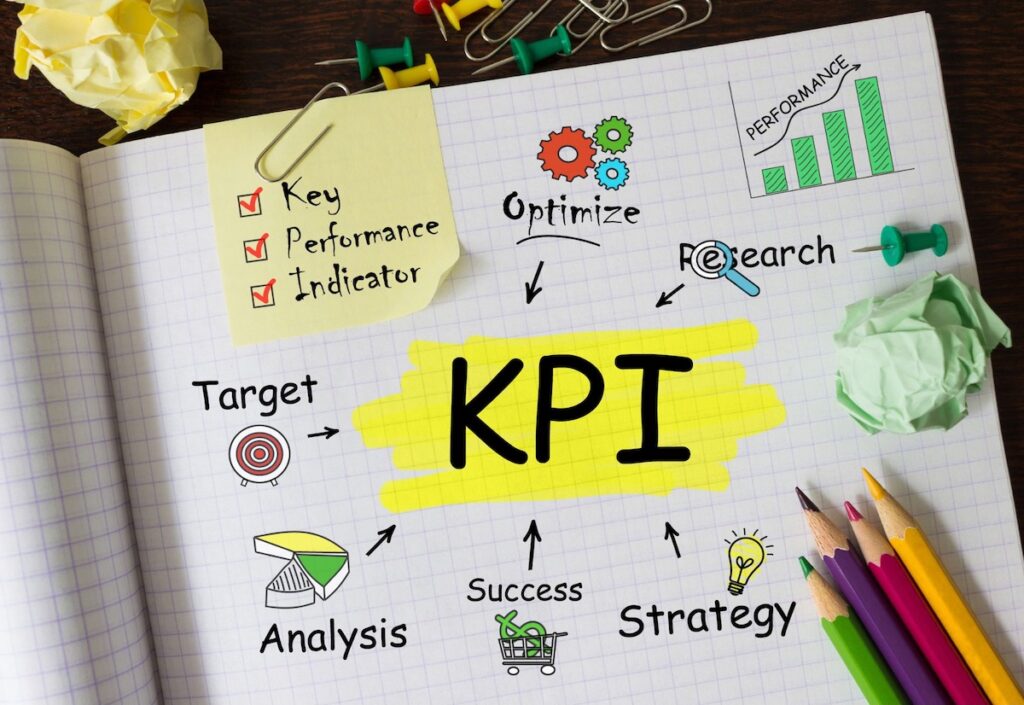
Three KPIs matter most for small business marketing. Conversion rate shows how many visitors take a desired action, like filling out a form. Customer acquisition cost shows what you spend to win each new customer. Engagement metrics show whether your content actually resonates with your audience.
Align these KPIs with your specific business objectives. A law firm might prioritize consultation requests. A retail shop might prioritize online sales completed each month.
Setting Up Google Analytics the Right Way
Google Analytics remains the most accessible tool for small business marketing tracking. It gives real-time insight into which pages, channels, and campaigns actually perform.
Start by defining goals inside Analytics that align with your KPIs. A goal might be a contact form submission or a phone call click. Without goals set, Analytics only shows traffic, not results.
Connect Analytics to your Google Business Profile and ad accounts too. This creates one dashboard instead of five disconnected reports. Detailed metrics analysis becomes far easier when everything lives in one place.

Turning Data Into Decisions
Collecting data means nothing if it never changes your next move. Review your numbers with a simple question in mind. What should we do differently this month?
If a blog post drives strong traffic but few conversions, revisit its call to action. If one social platform outperforms the others, shift more effort there. Small, consistent adjustments compound into meaningful growth over time.
Resist the urge to chase every metric equally. Focus your energy on the two or three KPIs tied directly to revenue. This keeps reporting sustainable instead of overwhelming.
Building a Reporting Rhythm That Sticks
A single audit tells you where you stood on one day. Consistency is what turns measurement into a genuine competitive advantage.
Set a monthly review on your calendar and treat it like a client meeting. Pull the same core numbers every time so trends become visible. Compare each month against the one before it, not just against your goals.
Small businesses that measure consistently spot problems early and scale winners faster. This routine habit, more than any single tool, separates businesses that grow from businesses that guess.
Total Framework Marketing builds this kind of reporting rhythm into every retainer. Ready to see what your marketing is actually doing? Contact our team today to start tracking what matters.
Frequently Asked Questions
A marketing KPI is a key performance indicator that measures progress toward a specific goal. Common examples include conversion rate, customer acquisition cost, and engagement rate. Small businesses use KPIs to judge whether marketing spend is working.
Most small businesses should review marketing performance monthly. Monthly reviews catch problems early and reveal trends single reports miss. Quarterly reviews work for slower-moving KPIs like customer lifetime value.
Customer acquisition cost is the total marketing spend divided by the number of new customers acquired. It shows exactly what it costs to win each new customer. Lower acquisition cost usually means more efficient marketing.
Google Analytics covers most small business tracking needs on its own. It shows traffic sources, conversions, and on-site behavior in real time. Pairing it with Google Business Profile insights fills in local search data.
Your marketing budget is working if it lowers acquisition cost or raises conversions over time. Track the same KPIs monthly and compare trends rather than single snapshots. A budget that never moves those numbers needs a new approach.