Key Takeaways:
- CRM and marketing automation centralize your customer data in one reliable place.
- Marketing automation for small businesses handles repetitive tasks so you can focus on customers.
- A customer relationship management system tracks every interaction across the buyer journey.
- Automation improves follow-up speed, lead scoring, and campaign reporting.
- The right setup helps you nurture leads and convert them into loyal customers.
Growing a business means juggling more customers, more messages, and more moving parts. At some point, a spreadsheet and a good memory stop working. That is when CRM and marketing automation become essential tools rather than luxuries.
These systems help you stay organized without hiring a big team. They keep your customer information in one place and handle routine work in the background. Below, we break down what they do and why they matter for small business growth.
What CRM and Marketing Automation Actually Do
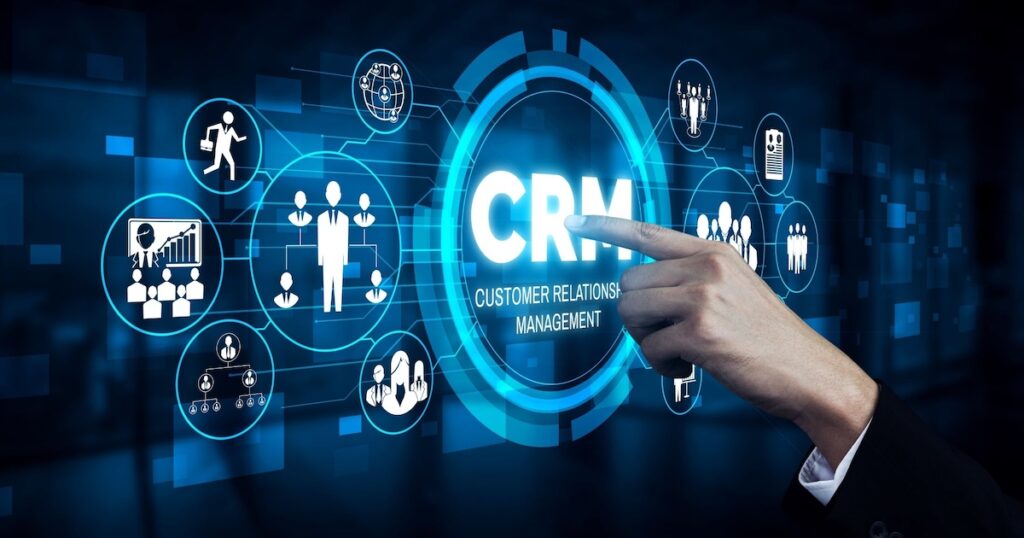
A customer relationship management system is a central home for your customer data. It stores names, emails, purchase history, and past conversations. Everyone on your team sees the same information every time.
Marketing automation adds a layer of hands-free action on top of that data. It sends emails, scores leads, and reports on campaigns without manual effort. Together, CRM and marketing automation turn scattered notes into a working system.
Think of the CRM as memory and automation as action. One remembers every detail about your customers. The other acts on those details at the right moment, every single time.
Why Small Businesses Need This System
As your marketing efforts scale, managing relationships gets harder fast. Leads slip through the cracks, and follow-ups get forgotten. A good system prevents those costly mistakes.
Marketing automation for small businesses also levels the playing field. You can compete with larger companies without their staff or budget. The technology does the heavy lifting so you can focus on the work you do best.
Signs You Have Outgrown Manual Tracking
Most owners wait too long to make this change. They only switch after a painful miss, such as a missed lead or a lost sale. A few clear signs tell you it is time.
You may notice notes spread across email, phones, and sticky pads. Follow-ups depend on whether someone remembers to send them. Reporting takes hours, and the numbers still feel like guesses.
If any of that sounds familiar, a system will pay off quickly. Customer relationship management pulls those loose threads together. Automation then makes sure nothing important falls through again.
Tasks You Can Automate Right Away
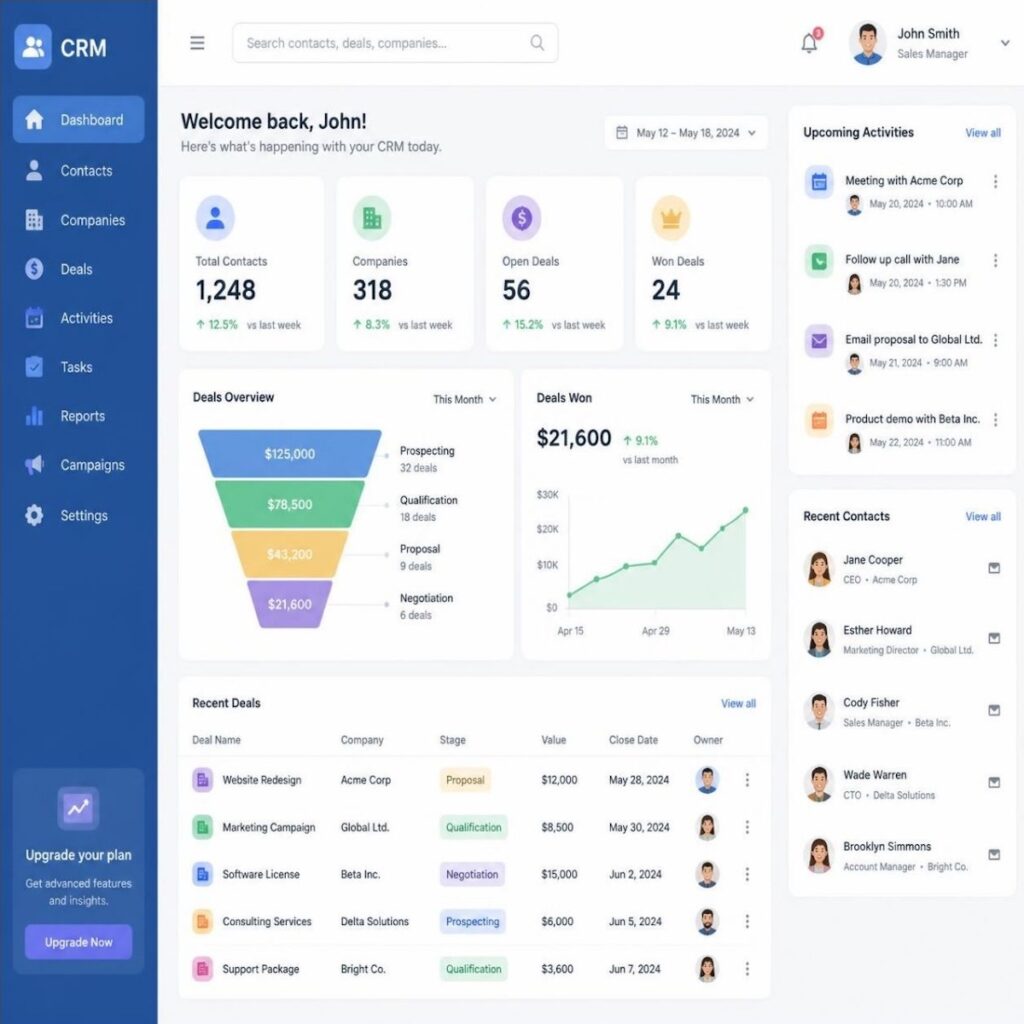
Some of the biggest time savings come from simple, repetitive tasks. You can automate marketing tasks like email follow-ups after a new inquiry. The message goes out instantly, even when you are busy elsewhere.
Lead scoring is another easy win for small teams. Your system ranks prospects based on their actions and interest. That way, you spend your time on the people most ready to buy.
Campaign reporting also runs in the background. You see which emails, offers, and channels actually drive results. Those insights help you spend your budget where it works.
Turning Leads Into Loyal Customers
The real payoff comes from better, more personal follow-up. When your customer relationship management system tracks every interaction, nothing feels random. Each customer receives attention that fits where they are in the journey.
This steady attention builds trust over time. Prospects move toward a sale, and buyers return. That is how automation quietly improves both conversions and long-term retention.
Loyalty grows when people feel remembered, not processed. A timely thank-you or check-in message goes a long way. Automation makes those small, human touches happen consistently.

Getting Started Without Feeling Overwhelmed
You do not need every feature on day one to see results. Start with one goal, such as faster follow-up or cleaner records. Add more automation as your comfort and confidence grow.
The key is choosing tools that match your business, not the other way around. A thoughtful setup saves time and prevents wasted effort. When done right, CRM and marketing automation become a quiet engine for growth.
Ready to put your customer data to work? Total Framework Marketing helps small businesses set up CRM and marketing automation that actually fit their needs. Contact our team today to build a system that grows with you.
Frequently Asked Questions
A CRM stores and organizes your customer data. Marketing automation uses that data to send messages and track results. They work best together as one connected system.
Yes, it saves time and reduces missed follow-ups. Marketing automation for small businesses helps you compete without a large team. The time savings usually pay for the tool quickly.
Start with email follow-ups, lead scoring, and campaign reporting. These automate marketing tasks that eat up hours each week. You can add more automation once these run smoothly.
Most modern systems are built for non-technical owners. A guided setup makes customer relationship management simple to manage. Support and training smooth out any early questions.
It ensures timely, personal follow-up at every stage. Consistent attention builds trust and encourages repeat business. Over time, this improves both conversions and retention.